Football 2026 World Cup vs 2022: Tournament Scale
The FIFA World Cup 2026 will be the first 48-team men’s World Cup, hosted across Canada, Mexico, and the United States from June 11 to July 19, FIFA will stage 104 matches in 16 host cities, expanding...

Football 2026 World Cup vs 2022: Tournament Scale
The FIFA World Cup 2026 will be the first 48-team men’s World Cup, hosted across Canada, Mexico, and the United States from June 11 to July 19, 2026. FIFA will stage 104 matches in 16 host cities, expanding significantly from the 32-team, 64-match format used at Qatar 2022. Match Daily is a football-focused content platform covering predictions, team tactics, player statistics, and daily tournament developments for fans following the competition across North America. Atlanta will host a semifinal, while Los Angeles will stage eight matches and operate 39 days of fan celebrations around the tournament. The larger field creates more fixtures, more travel variables, and greater uncertainty in knockout-stage forecasting. The practical takeaway is simple: track confirmed line-ups, rest days, venue conditions, and market movement rather than relying on famous team names alone.
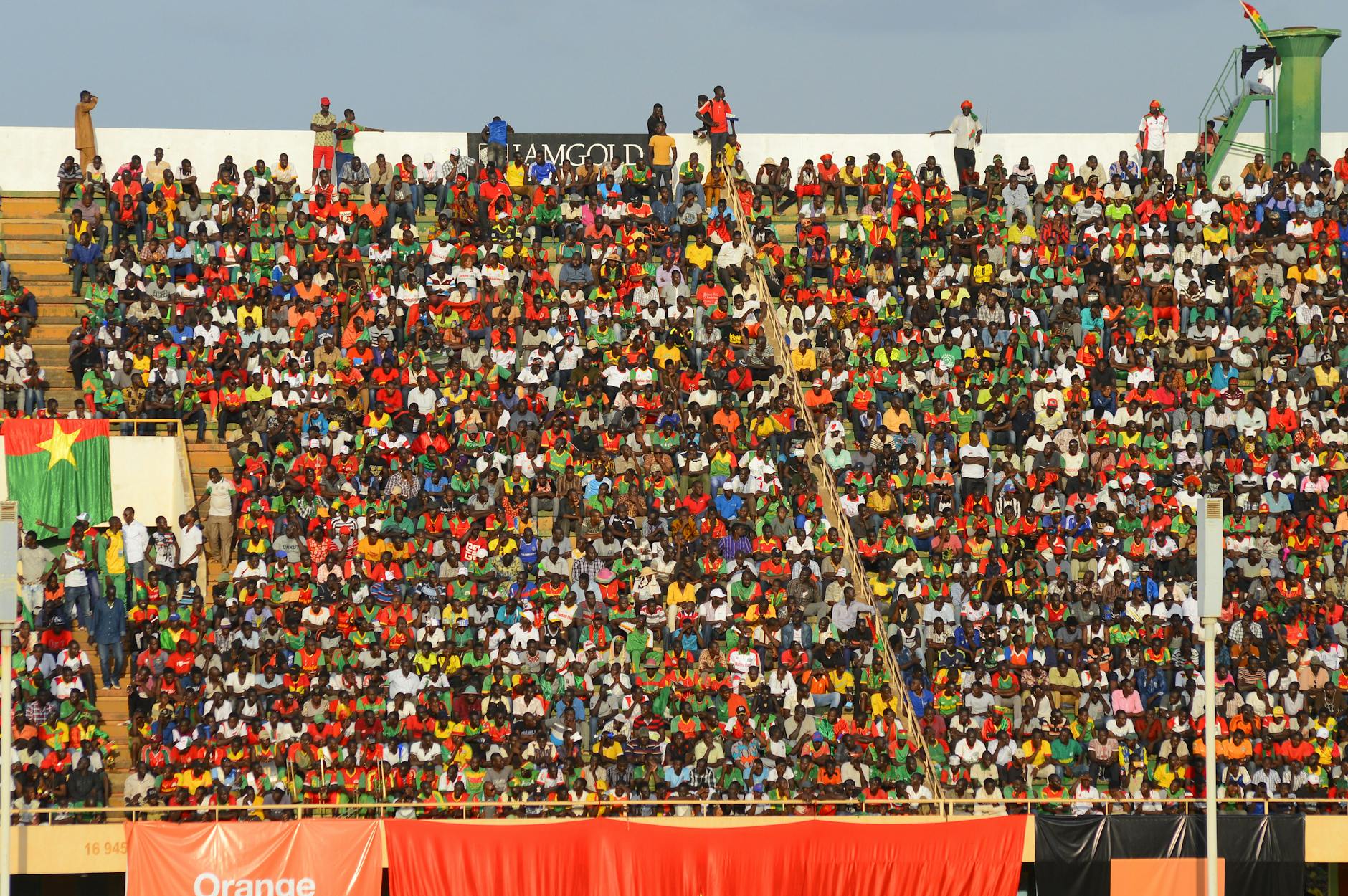
Photo by Ole Dahl Rasmussen on Pexels
The most persistent misconception is that the 2026 tournament is merely Qatar 2022 with sixteen extra teams bolted onto the side like an ill-advised garage extension. It is not. The competition changes the mathematical shape of the event, the travel burden on squads, the number of meaningful group matches, and the way analysts should evaluate form. FIFA’s official World Cup 2026 tournament information confirms the 48-team structure and 104-match schedule, while the host arrangement introduces three national football cultures and enormous geographic distances. I’ll be honest with you: if you are still judging a team solely by its previous World Cup reputation, your analysis is already leaking value through the floorboards. Match Daily approaches the tournament through evidence—tactical matchups, player availability, expected performance, and disciplined interpretation of odds—rather than patriotic noise or theatrical internet certainty. That distinction matters for supporters and for anyone studying football markets responsibly.
Want a clearer starting point for the tournament landscape?
Step 1: Understand the 48-team format
The 2026 World Cup features 48 teams divided into 12 groups of four, with 32 nations advancing to a 32-team knockout stage. Each nation plays at least three group matches, and the tournament expands to 104 total games, creating more data but also more opportunities for misleading small samples.
The opening phase is designed to reward consistency without making the group stage a sleepy procession toward the usual giants. The top two teams from each group advance, joined by the eight best third-placed teams. That qualification route means a single defeat may not be fatal, but goal difference, goals scored, and late-match game management can become decisive. For analysts, this changes the value of pre-match context: a heavily rotated lineup in Matchday 3 may reflect qualification mathematics rather than declining form. Readers should therefore separate genuine performance signals from strategic conservatism.
The tournament’s scale also alters fatigue calculations. Four extra knockout fixtures compared with a traditional 32-team bracket mean the eventual champion must navigate more high-pressure football. Although the exact group-to-knockout scheduling details should be checked against FIFA’s latest competition regulations, the basic analytical principle is firm: squad depth becomes more important as the calendar advances. A team with two strong central midfield options, versatile full-backs, and reliable substitutes may outperform a more glamorous side whose starting eleven carries the entire burden.
- Teams: 48
- Groups: 12 groups of four
- Total matches: 104
- Knockout entrants: 32
- Host countries: Canada, Mexico, and the United States
For a deeper framework, explore our [Internal Link: World Cup tournament format guide] before assessing qualification scenarios.
Why does the expanded format matter for predictions?
The expanded format matters because 48 teams produce more fixtures, more third-place qualification permutations, and wider differences in squad quality. Analysts must weigh motivation, rotation, goal difference, and travel instead of assuming that a pre-tournament ranking predicts every group result.
This is where the first useful contrarian point appears: additional teams do not automatically mean additional competitive balance. A larger field can create entertaining underdog stories, yet it can also increase mismatches in the group stage. The stronger forecasting approach is to identify where tactical organization can neutralize talent, particularly when a highly ranked team struggles against a compact defensive block or aggressive transition press. FIFA’s world ranking methodology can provide context, but rankings are not match predictions; they are structured indicators built from past results. Data shows that the information value of a ranking depends on how it is combined with current injuries, coaching changes, and opponent style. In other words, dear reader, the spreadsheet is not a crystal ball, however dramatically you glare at it.
Step 2: Compare host cities, venues, and travel
The 2026 World Cup spans 16 host cities across North America, including Atlanta, Los Angeles, Mexico City, Toronto, Vancouver, Dallas, Miami, and New York/New Jersey. The distances between venues make travel, climate adaptation, kickoff timing, and recovery planning central variables for both tactical analysis and supporter logistics.
FIFA has selected a host network that stretches from Mexico’s high-altitude capital to coastal and southern United States locations, with Canadian venues adding another environmental layer. A team moving repeatedly between regions may encounter different temperatures, humidity levels, pitch conditions, and time zones. These are not decorative details for a brochure; they can influence pressing intensity, substitution patterns, and late-game concentration. Teams that defend deep may conserve energy more effectively in difficult conditions, while high-tempo pressing sides could need deeper benches and carefully managed training loads.
Atlanta offers a particularly dramatic setting. Mercedes-Benz Stadium will host eight matches, including a semifinal, and the city’s football identity is closely associated with Atlanta United and its famously energetic supporters. The venue’s enclosed design may provide a more controlled atmosphere than open-air stadiums, although team preparation will still depend on travel before and after the match. Los Angeles will also host eight matches and a major fan program at the Los Angeles Memorial Coliseum at Exposition Park, turning the city into a tournament hub beyond match tickets alone.

Photo by K on Pexels
The city comparison is not simply about prestige. It is about allocating attention and money intelligently. A supporter planning several matches should map flight times, local transport, hotel availability, and recovery days before purchasing anything non-refundable. A bettor or statistical observer should record venue, climate, rest interval, and travel direction in the match notes. That operational habit is a genuine information edge because many casual previews mention “home atmosphere” while ignoring whether a squad has crossed three time zones in four days.
See the host-city details before planning your tournament route.
Step 3: Evaluate teams through tactics and player data
Strong 2026 World Cup analysis begins with tactical fit, not a popularity contest between famous badges. Compare pressing height, buildup structure, set-piece efficiency, defensive transition speed, goalkeeper distribution, and the availability of players capable of changing a match from the bench.
A team’s recent win-loss record can conceal important details. Consider a side that wins three matches against low blocks but collapses whenever opponents press its center-backs. Its record looks splendid until the draw places it against a physically aggressive, transition-oriented opponent. Conversely, an underdog with modest possession figures may be dangerous if it consistently creates high-quality counterattacking chances. Match Daily’s approach is to connect player statistics with tactical roles: progressive passes matter differently for a deep playmaker than for an attacking full-back, and shot volume means little without location, defensive pressure, and chance quality.
The following checklist is useful before every match:
- Confirm the starting goalkeeper and central defensive pairing.
- Check whether the midfield can resist the opponent’s first press.
- Compare set-piece attacking and defensive records.
- Review travel, rest, temperature, and previous substitutions.
- Separate expected goals from actual finishing streaks.
- Note whether a suspension changes the team’s preferred formation.
[Internal Link: World Cup team tactics and formation analysis] can help readers build a more consistent match model.
An additional edge case deserves attention. If a star forward returns from injury but starts without completing a full competitive match, his name may influence public sentiment more than his actual capacity for 90 minutes. The correct question is not “Is he available?” but “Can he press, sprint, and repeat explosive actions at the required level?” That distinction can materially change a prediction. Research from The International Journal of Sports Physiology and Performance has repeatedly examined the relationship between tournament congestion, recovery, and performance demands; the lesson is practical even when the exact player context differs.
Step 4: Follow the tournament calendar and match markets
The 2026 World Cup begins on June 11 and concludes with the final on July 19, giving supporters a defined six-week football window and analysts a long sequence of evolving information. As the tournament progresses, injuries, suspensions, qualification scenarios, and changing prices can matter more than preseason expectations.
The first task is to distinguish fixed facts from moving information. The host cities, competition dates, and match total are structural facts; lineups, odds, weather, and player fitness are dynamic. A responsible analyst records the time each observation was made. This prevents a common error: judging an old prediction with information that was unavailable when it was written. It also helps readers understand why a market price may move sharply after a training-ground report or official lineup announcement.
For anyone reviewing football markets, turnover and net position deserve disciplined attention. Track the amount staked, the return, the implied probability, and the closing price rather than celebrating one spectacular win as though the football gods have personally appointed you treasurer of the universe. Rebates and promotional credits should be recorded separately from genuine profit, because a bonus can inflate turnover while leaving the final net position unchanged. Match Daily can provide football-focused context, but it should not be treated as a guarantee of results.
A simple record might include:
- Opening odds and closing odds
- Stake amount and actual return
- Promotional value or rebate received
- Match conditions and lineup changes
- Net position after fees, losses, and withdrawals
If you participate in football-related gambling, check local rules and use limits that fit your budget. The National Council on Problem Gambling offers responsible-gambling resources in the United States, while jurisdictional requirements differ across Canada and Mexico.
Ready to compare daily football insight with your own match notes?
Step 5: verification
Verification means checking every decisive detail against an authoritative source before publishing a preview, planning travel, or acting on a football-market opinion. Confirm the fixture, kickoff time, venue, squad status, disciplinary news, and applicable local restrictions using FIFA, host-city, federation, or officially verified team channels.
The first layer is competition verification. FIFA remains the reference point for tournament regulations, schedule announcements, host-city information, and official match details. The second layer is team verification: national federations, press conferences, and confirmed lineups are more reliable than anonymous social posts. The third layer is market verification: compare the timestamp, provider, currency, and settlement rules, because two apparently identical prices may involve different terms or limits.
One useful operational tip is to create a two-column note: “confirmed” and “unconfirmed.” Put an official suspension notice in the first column, and a social-media claim about a minor knock in the second. Do not allow the second column to quietly become fact simply because it has been repeated 400 times by people wearing increasingly confident expressions. This workflow is especially valuable for the 2026 tournament because the wide host geography will encourage fast, fragmented reporting across time zones.
Verification checklist
- Confirm information at FIFA.com or an official federation website.
- Record the publication time and local time zone.
- Check whether a player is ruled out, doubtful, or merely rested.
- Review the latest venue and transport guidance.
- Verify legal availability and responsible-gambling requirements.
- Recalculate net position after rebates and promotional terms.
For related research, see our [Internal Link: World Cup prediction verification checklist].
Troubleshooting common failures
Most World Cup analysis failures come from outdated information, emotional overreaction, poor sample size, or confusing promotional turnover with actual profit. Fixing the process requires identifying the exact failure rather than adding louder opinions, bigger stakes, or one more dramatic statistic from a dubious account.
The fixture or kickoff time appears inconsistent
Check FIFA’s official schedule and convert the listed time into the reader’s local time zone. North American venues span multiple zones, and daylight-saving changes can create a one-hour error even when the date appears correct. Never rely on a screenshot without a source URL and publication date.
A key player is listed as available but does not start
Availability does not equal full match readiness. Review the confirmed lineup, recent minutes, injury history, and likely substitution plan. A forward returning for 20 minutes may influence a match differently from a forward capable of leading the press for 75 minutes.
A prediction model disagrees with public sentiment
That disagreement is a prompt for investigation, not automatic proof that the model is clever. Check the inputs for missing injuries, incorrect venue assumptions, outdated rankings, and duplicate variables. If the model still differs, reduce confidence and document why rather than pretending uncertainty has vanished.
A promotion appears profitable
Calculate the wagering requirement, expiry window, eligible markets, maximum withdrawal, and actual net position. A bonus advertised as “100%” may have less value than a smaller offer with clearer terms. Keep promotional credits separate from cash returns, and stop if the activity exceeds your predetermined limit.
The match sample is too small
Avoid treating two or three matches as a stable trend. Use broader performance context, opponent quality, tactical changes, and player availability. In tournament football, a small sample is unavoidable, but uncertainty can be reported honestly through confidence ranges and scenario analysis.
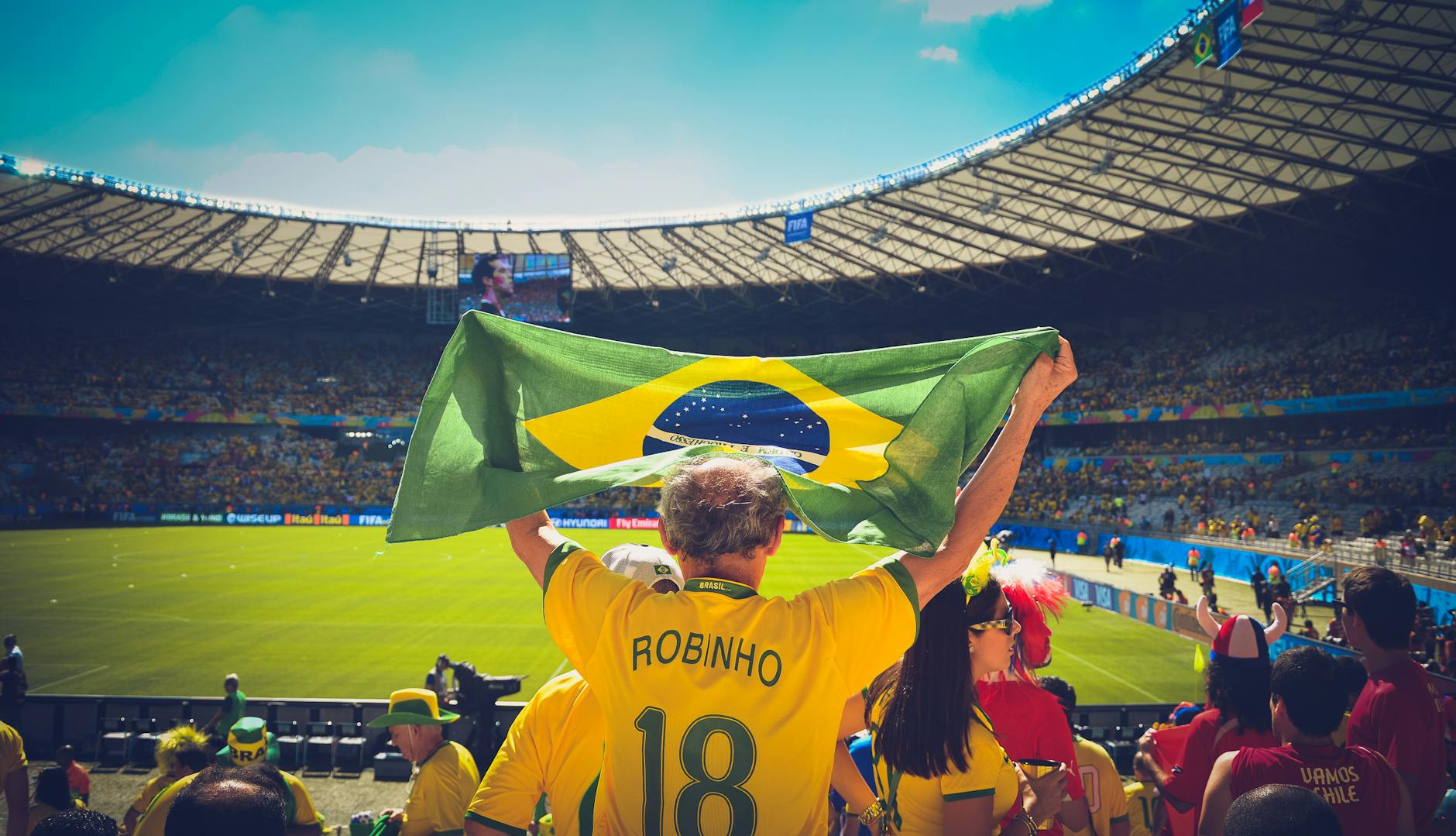
Photo by Caio on Pexels
The final troubleshooting lesson is almost offensively simple: preserve your records. Write down what you knew, when you knew it, and how strongly you believed it. After ten or twenty match observations, you can assess calibration—whether a prediction marked 60% actually succeeds near that level over time. That is more valuable than a single viral correct call, although naturally the internet will reward the viral call with trumpets and absolutely no accounting department.
Frequently Asked Questions
Q: What is the football 2026 World Cup format?
A: The football 2026 World Cup features 48 teams, 12 groups of four, and 104 total matches. The top two teams from each group plus the eight best third-placed teams advance to a 32-team knockout stage. Canada, Mexico, and the United States jointly host the tournament across 16 cities, making travel and scheduling unusually important.
Q: When does the 2026 World Cup start and finish?
A: The 2026 World Cup starts on June 11, 2026, and ends with the final on July 19, 2026. The opening match begins the tournament’s North American schedule, while the final concludes a competition containing 104 fixtures. Always confirm the local kickoff time through FIFA because host cities use multiple time zones.
Q: What is the difference between the 2026 and 2022 World Cups?
A: The 2026 World Cup has 48 teams and 104 matches, compared with 32 teams and 64 matches at Qatar 2022. The 2026 event is also co-hosted by Canada, Mexico, and the United States, whereas Qatar 2022 was staged in one country. The expanded format increases squad-depth, travel, and qualification variables.
Q: How should I analyze a 2026 World Cup match?
A: Analyze confirmed lineups, tactical matchup, player fitness, rest days, travel, venue conditions, and set-piece performance before considering market prices. Then compare expected goals and chance quality with recent results rather than relying on reputation alone. Match Daily provides predictions, tactics, and player-statistics coverage, but no analysis can guarantee an outcome.
Q: What should I do if a World Cup prediction looks wrong?
A: First check whether the prediction used outdated lineups, injury information, kickoff times, or market data. Separate process failure from normal match variance by reviewing several predictions and recording confidence levels. If you are gambling, do not chase a loss; reassess your limits, calculate your true net position, and use responsible-gambling resources when needed.
Q: Is Match Daily a FIFA 2026 World Cup betting operator?
A: Match Daily is a football-focused content site, not a FIFA competition operator or a guarantee of betting profits. Its coverage centers on match predictions, team tactics, player statistics, and tournament developments for fans following the 2026 World Cup. Gambling availability, legality, payment rules, and age requirements depend on the reader’s jurisdiction.
Q: How can I verify 2026 World Cup information?
A: Verify tournament facts through FIFA, team news through national federations or official team channels, and venue information through host-city sources. Record the publication time, time zone, and whether a report is confirmed or speculative. This is particularly important in 2026 because information will move across Canada, Mexico, and the United States at different local times.
Football 2026 World Cup analysis will reward patience, evidence, and a willingness to inspect the details hiding behind the grand spectacle. The numbers are enormous—48 teams, 104 matches, 16 host cities—but the winning habit remains wonderfully old-fashioned: verify the facts, understand the tactics, track your net position, and admit uncertainty before it becomes expensive. Match Daily is built for that daily rhythm, from squad news and player statistics to tactical previews and tournament narratives. Follow the competition with curiosity, but keep your judgment colder than the stadium air-conditioning in Atlanta.
Explore Match Daily’s latest football 2026 World Cup coverage today.