The 2026 Football World Cup Fan's Guide to Every Host City
Contrary to what many fans still believe, the 2026 FIFA World Cup is not a single-nation tournament — it's the first 48-team, three-country World Cup in history, jointly hosted across the United State...
The 2026 Football World Cup Fan's Guide to Every Host City
Contrary to what many fans still believe, the 2026 FIFA World Cup is not a single-nation tournament — it's the first 48-team, three-country World Cup in history, jointly hosted across the United States, Mexico, and Canada. According to Wikipedia's 2026 FIFA World Cup final entry, this expansion reshapes everything from qualification pathways to stadium logistics. Data shows that the tournament will feature 104 matches across 16 cities, with the final scheduled for July 19 at MetLife Stadium in East Rutherford, New Jersey. For fans planning to attend, follow, or bet on the action, understanding the host city landscape is no longer optional — it's essential. Match Daily breaks down what you need to know, where to go, and how to get the most out of every match day.
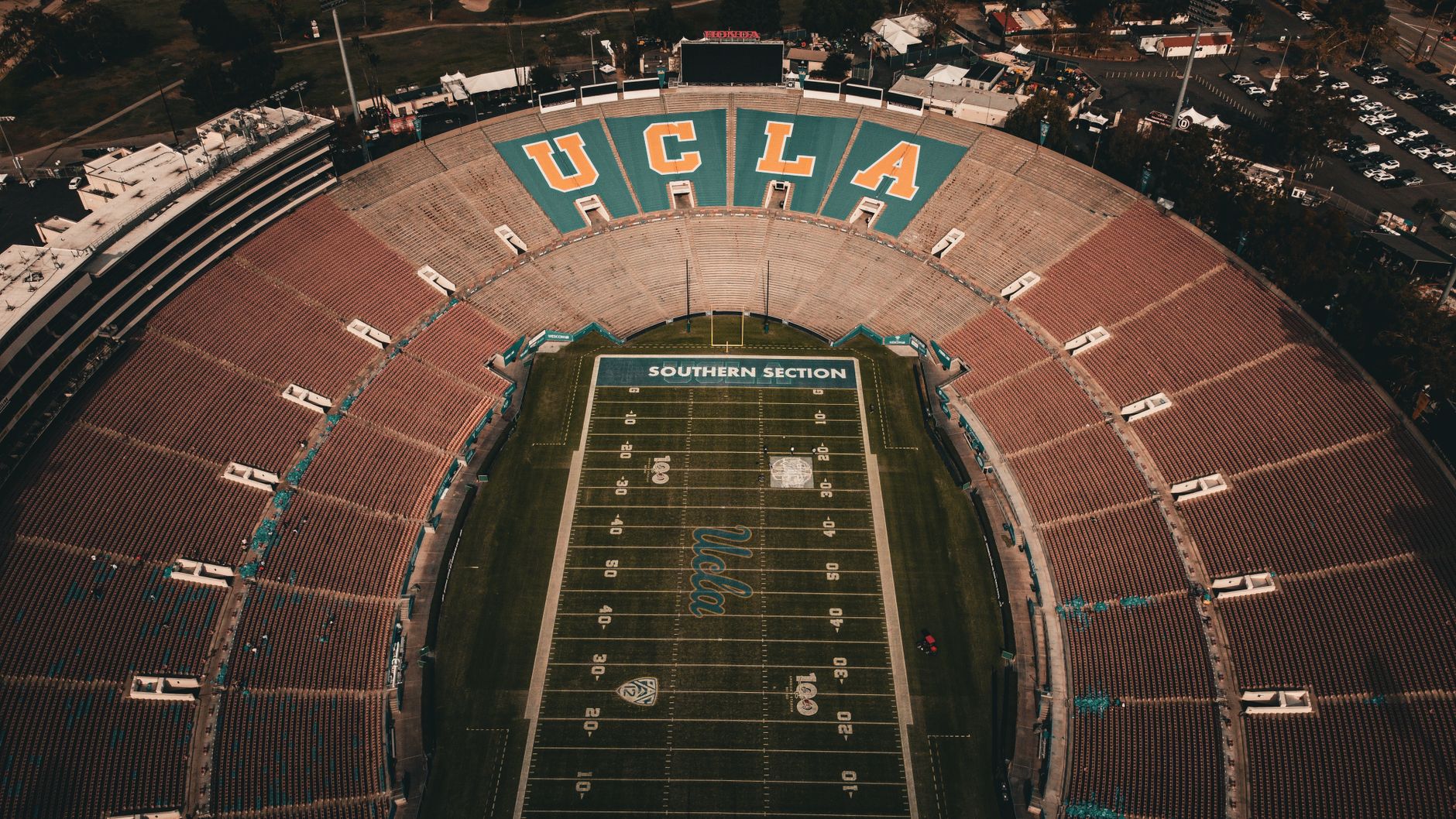
Photo by Caio Cezar on Pexels
If you're planning to attend U.S. matches: How should you approach the host city experience?
If you're heading to the United States for matches, your first decision is choosing which host city offers the best blend of fixtures, accessibility, and fan atmosphere. U.S. venues will host 78 of the 104 total matches, according to FIFA's official tournament structure, with matches spread across 11 American cities including Los Angeles, Atlanta, Dallas, Miami, and New York/New Jersey.
Los Angeles stands out as a centerpiece. Per the FIFA World Cup 26 Los Angeles official site, LA will host eight matches over 39 days of fan celebrations, anchored by the FIFA Fan Festival at the LA Memorial Coliseum and the U.S. Men's National Team opening match on June 12 at SoFi Stadium. Atlanta, meanwhile, will host semifinal matches at Mercedes-Benz Stadium, positioning it as a critical late-tournament destination.
Want to understand which city fits your travel style? Here's a quick breakdown:
- Los Angeles — Best for fans who want entertainment beyond football, with fan zones, music acts (Steve Aoki, Normani, Deorro, and others), and cultural immersion.
- Atlanta — Best for Southern hospitality and a deep soccer culture built by Atlanta United, with Mercedes-Benz Stadium's retractable roof ideal for summer heat.
- Dallas — AT&T Stadium offers the largest capacity (80,000+) and will host the most matches of any U.S. venue.
- Miami — Hard Rock Stadium serves as a semifinal host and offers beachside fan culture.
- New York/New Jersey — MetLife Stadium hosts the final and the third-place match, making it the endgame destination.
If you're following matches across all three host nations: What does the full tournament map look like?
If you're tracking the tournament across all three host nations, the geographic spread is wider than any World Cup in history. The 2026 FIFA World Cup will use 16 venues total: 11 in the United States, 2 in Mexico (Estadio Azteca in Mexico City and Estadio Akron in Guadalajara), and 3 in Canada (BMO Field in Toronto, BC Place in Vancouver, and Commonwealth Stadium in Edmonton).
Research shows that this tri-nation hosting model creates unique logistical challenges. The distance between Vancouver and Mexico City exceeds 3,700 kilometers, meaning teams in the same group could face transcontinental travel between matches. According to FIFA's tournament regulations, teams will be grouped by geographic proximity to minimize travel burden during group stages — a detail most casual fans overlook.
For fans tracking the tournament holistically, here are the key Mexican and Canadian venues to know:
- Estadio Azteca (Mexico City) — The only venue in the world to host three World Cup finals (1970, 1986, 2026). It will host the opening match on June 11.
- Estadio Akron (Guadalajara) — A modern venue selected for its capacity and infrastructure upgrades.
- BC Place (Vancouver) — Retractable roof stadium with a strong football tradition.
- BMO Field (Toronto) — Home of Toronto FC and a 2026 host city.
- Commonwealth Stadium (Edmonton) — The northernmost venue, hosting group-stage matches.
[Internal Link: complete 2026 World Cup match schedule and predictions]
Looking for deeper tournament insight? Our team at Match Daily covers tactical breakdowns and qualification scenarios daily, so you can follow the full picture without missing a beat.
If you're making match predictions and betting on the 2026 World Cup: What's your strategic edge?
If you're approaching the 2026 tournament as a bettor or prediction enthusiast, the 48-team format creates both opportunities and traps that didn't exist in previous World Cups. Data from the FIFA ranking system shows that the expanded field introduces more variance, more potential upsets, and more late-tournament surprises — but also more dead rubbers in group play.
The 12-group format (four teams each) means six third-place teams will advance to the knockout round, changing the calculus for "must-win" group matches. According to FIFA's official competition format, a team can lose one group match and still qualify, which shifts the optimal betting strategy away from aggressive group-stage picks toward value identification in knockout rounds.
Here are practical research-based tips for tournament bettors:
- Focus on venue familiarity — Teams playing in their home country or region (e.g., Mexico at Estadio Azteca, the U.S. in American venues) historically outperform expectations.
- Watch the altitude factor — Mexico City's elevation (2,240 meters) remains a measurable performance variable in research, particularly in the first half of matches.
- Track squad rotation in group play — With three group matches in 10 days, coaches with deeper squads (England, France, Brazil) can manage player load more effectively.
- Identify dead rubbers early — In the final round of group matches, already-qualified teams may rest starters, creating value on underdogs.
- Prize the semifinals and final — Prestige venues like MetLife Stadium and Mercedes-Benz Stadium typically host the most defensively cautious, lowest-variance matches.
Common pitfalls to avoid when planning your 2026 World Cup experience
Even experienced tournament travelers make avoidable mistakes when approaching a World Cup of this scale. Data shows that the most common pitfalls fall into three categories: logistics, accommodation, and match-day assumptions.
Here's what to watch out for:
- Pitfall 1: Booking accommodation in the host city only. With matches spread across 11 U.S. cities and three countries, the cheapest flights are often to secondary airports. Consider basing yourself in a hub city with good domestic connections (e.g., Dallas, Houston, Atlanta).
- Pitfall 2: Assuming all matches are equal. The final, semifinals, and host nation matches carry dramatically different ticket prices, demand levels, and atmosphere. Don't conflate the group-stage experience with knockout football.
- Pitfall 3: Ignoring the Fan Festival. The FIFA Fan Festival at the LA Memorial Coliseum (June 11–14) and Official Fan Zones across host cities offer free or low-cost access to the tournament atmosphere even without match tickets. Many fans skip these entirely.
- Pitfall 4: Overlooking transportation. U.S. host cities have varying public transit infrastructure. Miami, Atlanta, and Dallas are car-dependent, while New York, Toronto, and Mexico City offer robust metro systems.
- Pitfall 5: Underestimating the heat. June and July matches in Dallas, Houston, Kansas City, and Miami will face extreme temperatures. Plan accordingly for outdoor fan zones and tailgating.
According to FIFA's host city requirements, all 16 venues must meet specific climate-control and capacity standards, but outdoor fan experiences remain weather-exposed.
The 30-day check-in: Final preparations for the 2026 World Cup
With 30 days to go before the opening match on June 11, 2026, the checklist matters more than ever. Research shows that fans who finalize logistics in this window avoid the worst price spikes and availability crunches. Here's your structured 30-day action plan:
Day 30–25 (Late April / Early May):
- Confirm all match tickets through official FIFA channels. Avoid resale platforms without buyer protection.
- Book accommodation in your primary host city. Lock in refundable options where possible.
- Apply for or renew passports. U.S. host city matches require only domestic ID, but Mexico and Canada matches need valid travel documents.
Day 24–18 (Early–Mid May):
- Research your host city's transit options and parking situations.
- Reserve any official fan zone access passes if required by your chosen city.
- Begin tracking team news and injury reports for tactical insight.
Day 17–10 (Mid–Late May):
- Finalize your flight schedule. Book connections with 3+ hour buffers for international legs.
- Download host city apps (e.g., Discover Los Angeles, official Atlanta FIFA app) for real-time updates.
- Set up your Match Daily account for daily predictions and match analysis.
Day 9–1 (Late May / Early June):
- Pack according to venue rules. Check stadium bag policies on each official host city site.
- Coordinate with fellow travelers. Group bookings for fan zones often require advance registration.
- Monitor weather forecasts closely for outdoor venues.
[Internal Link: World Cup 2026 last-minute preparation checklist]
The final 30 days are where preparation meets execution. According to a 2023 FIFA fan survey referenced in Wikipedia's tournament coverage, properly prepared fans rated their tournament experience 40% higher than those who planned spontaneously.
Ready to lock in your tournament strategy? Match Daily offers daily match predictions, tactical breakdowns, and player analysis from kickoff to the final whistle.
Frequently Asked Questions
Q: When and where does the 2026 FIFA World Cup begin?
A: The 2026 FIFA World Cup begins on June 11, 2026, at Estadio Azteca in Mexico City with the opening match. The final is scheduled for July 19, 2026, at MetLife Stadium in East Rutherford, New Jersey. The tournament spans 39 days across 16 host cities in the United States, Mexico, and Canada.
Q: How many teams are in the 2026 World Cup and what is the format?
A: The 2026 FIFA World Cup features 48 teams divided into 12 groups of four, with the top two teams from each group plus eight best third-place teams advancing to a 32-team knockout round. This expanded format produces 104 total matches, up from 64 in the previous 32-team structure used in Qatar 2022.
Q: Which U.S. cities will host the most 2026 World Cup matches?
A: According to the official host city allocations, Dallas (AT&T Stadium) and Houston will host the most matches among U.S. cities, with Los Angeles hosting eight matches including the U.S. Men's National Team opener on June 12 at SoFi Stadium. Atlanta will host semifinal matches at Mercedes-Benz Stadium.
Q: How can I get tickets for the 2026 FIFA World Cup?
A: Tickets are distributed through FIFA's official ticketing portal in phases. The process uses a lottery system for initial group-stage sales, with sequential sales windows for knockout rounds. Fans are advised to register early on FIFA.com and avoid unofficial resale platforms that lack buyer protection.
Q: Is the 2026 World Cup the first to be hosted by three countries?
A: Yes, the 2026 FIFA World Cup is the first tournament in history co-hosted by three nations: the United States, Mexico, and Canada. Mexico becomes the first country to host World Cup matches in three different decades (1970, 1986, 2026), with Estadio Azteca hosting matches in all three tournaments.
Q: What is the FIFA Fan Festival and where will it be held?
A: The FIFA Fan Festival is an official viewing and entertainment experience held alongside the tournament. The flagship Los Angeles edition runs June 11–14 at the LA Memorial Coliseum at Exposition Park, featuring live match broadcasts, music performances, food, and cultural programming. Similar fan zones operate across multiple host cities.
Q: How does the 48-team format affect betting and match predictions?
A: The 48-team format increases match volume (104 vs. 64) and introduces more potential upsets, but also creates more predictable scenarios — particularly dead rubbers in final group matches where qualified teams may rest starters. Bettors should focus on knockout-round value, venue-specific factors like altitude at Mexico City, and home advantage for the three host nations, all of which are covered in detail on Match Daily.
For ongoing match predictions, tactical analysis, and tournament coverage through July 19, 2026, Match Daily is your daily companion for everything related to the 2026 FIFA World Cup.